Reader Morphology
Welcome to the third episode of Against Coffee Table Books, where we turn the lens around and take a closer look at you, the reader.
The rise of video conferencing has turned public the once-private bookshelves. Have you ever caught yourself making snap judgments about someone based solely on the books displayed behind them during a call? You might have speculated about their political views or their pretensions — all inferred from the carefully arranged (or suspiciously curated) volumes peeking over their shoulders. And often, the books say as much through what’s missing as through what’s displayed.
An apparently neutral background often doubles as a subtle form of personal branding. The neatly lined spines behind your head signal more than you think. Once reserved for intellectuals and celebrities in televised interviews — think polished pundits flanked by volumes of political theory or novelists with shelves of obscure first editions — the bookshelf has emerged as a fixture of the Zoom-era. During the COVID-19 lockdowns, millions began working and broadcasting from home. And as with all visual trends in the digital age, it didn’t take long before someone started keeping track.
As noted in Il Post, the account Bookcase Credibility was created on X (formerly known as Twitter) during that period. The account, run by an anonymous admin, became a cult favorite among media critics, book lovers, and internet culture watchers. Its mission was to scrutinize the background bookshelves of public figures — journalists, politicians, authors, and celebrities — and offer tongue-in-cheek assessments of their literary taste, authenticity, or lack thereof. With sharp wit and deadpan delivery, Bookcase Credibility didn’t just rate what was on display; it unpacked the semiotics of the shelf. What does a prominently placed copy of How to Blow Up a Pipeline: Learning to Fight in a World on Fire say about you? Or a well-worn Gravity's Rainbow? What about a pristine row of Penguin Classics, untouched but reverent?
These questions led us to experiment with what we’ve called a reader morphology. Borrowing a page from biology, where organisms are classified by their physical traits, reader morphology seeks to sketch out possible reader profiles based on the books people choose to present behind them in video calls.
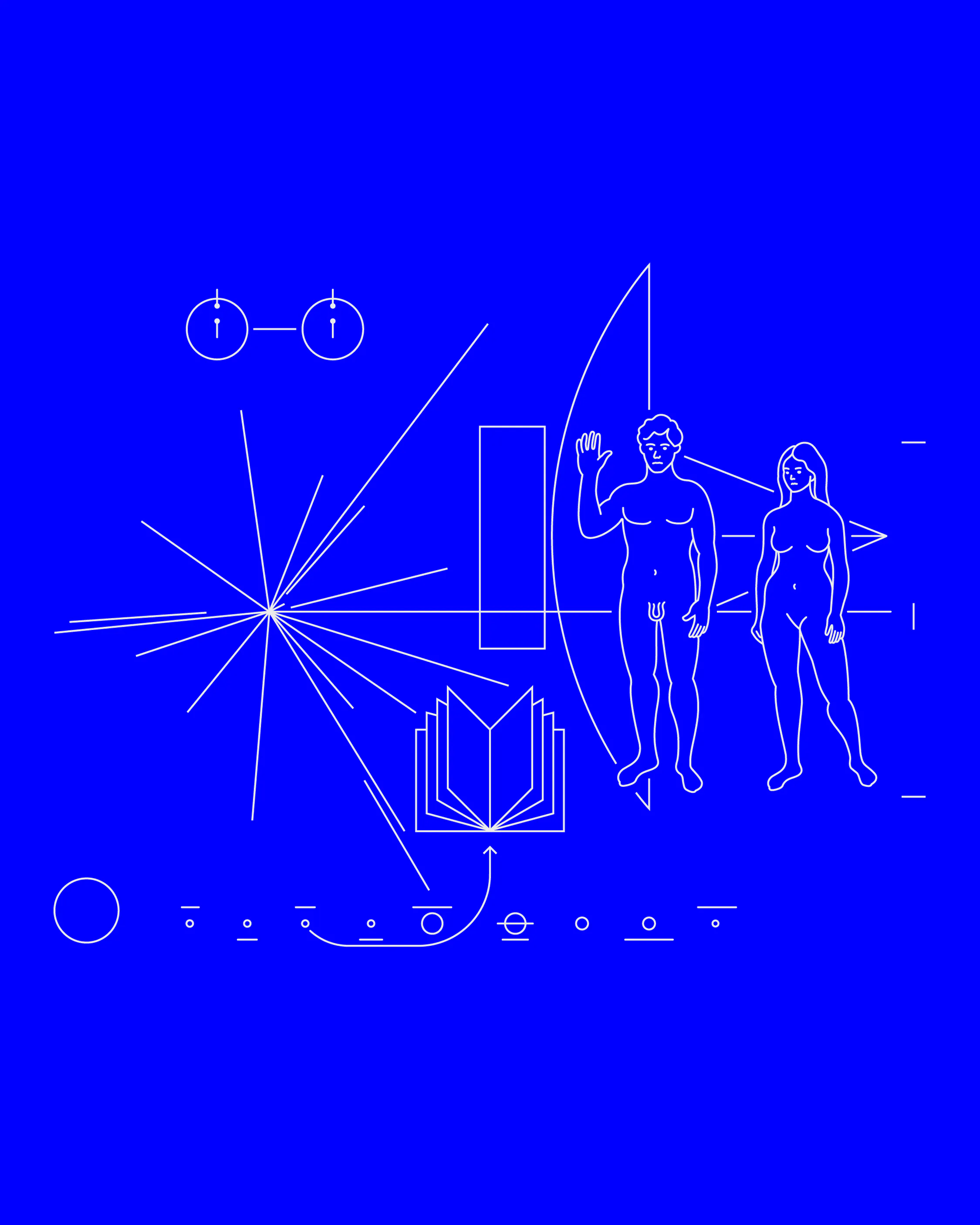
The Purist
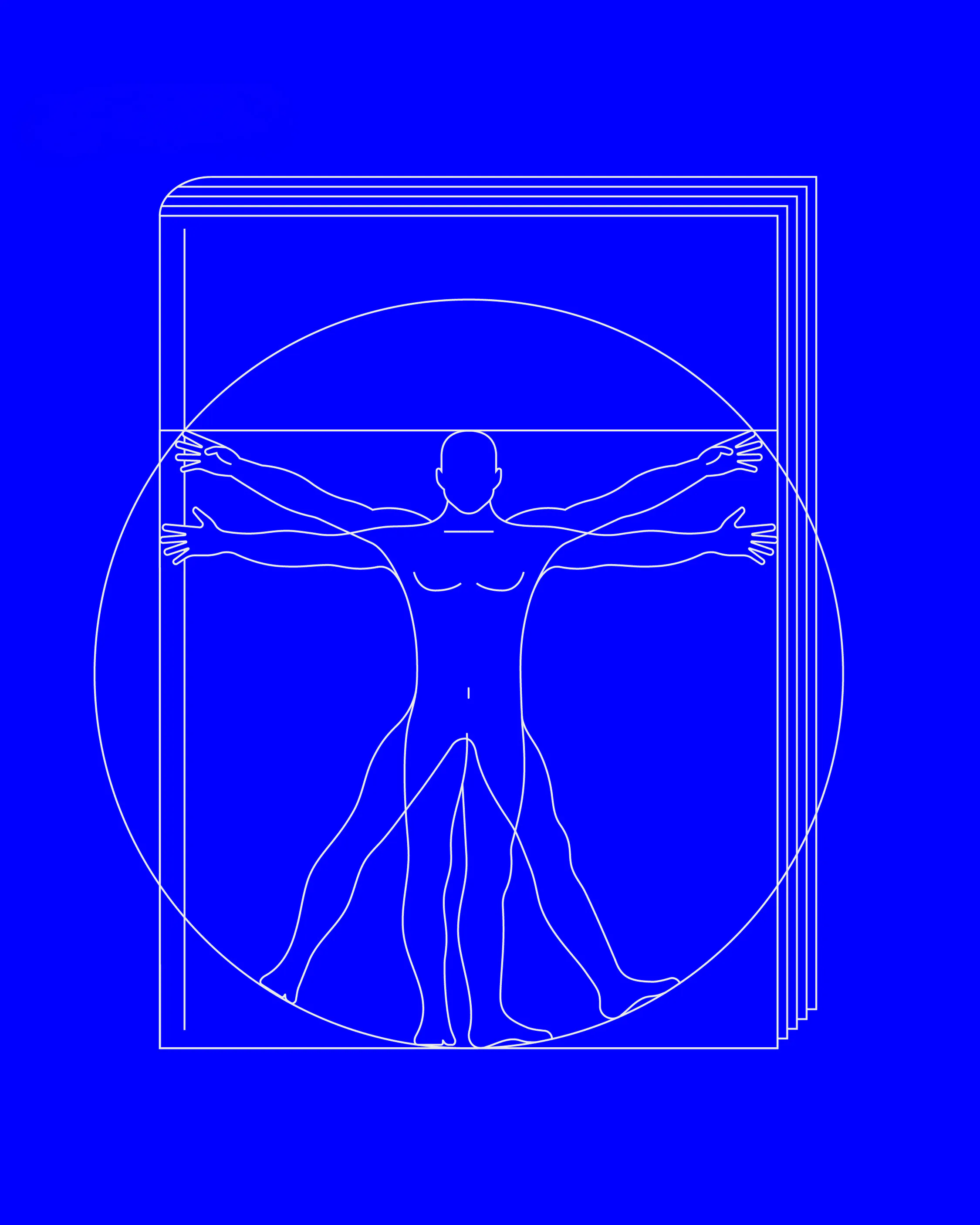
One of the most recognizable bookshelf personalities is the Purist. Neat, methodical, and deliberate, Purists not only care deeply about their books’ content, but also about the message their organization sends the viewer. For them, a bookshelf is never a chaotic or accidental backdrop — it is a curated display of order, taste, and principle.
The Purist’s shelves typically follow strict aesthetic criteria: books may be arranged by color gradient, by publisher, or by height. The shelves themselves are often built-in wall units, reinforcing the idea of permanence and control. If you're intrigued by these visual choices, we suggest revisiting previous episodes of Against Coffee Table Books, where we delve deeper into the subtle semiotics of shelf arrangements.
But not all Purists are created equal. Within this group, our morphological analysis allows finer distinctions. We’ve identified three key subcategories: the True Purist, the Average Purist, and the Wanna-be Purist.
Spotting a True Purist is surprisingly easy once you know what to look for. You’ll often see an entire wall transformed into a seamless grid of books, uninterrupted by personal items, stray plants, or decorative clutter. The alignment is precise, and the spacing is symmetrical. Every book appears to belong. This level of commitment to order typically extends beyond the camera’s frame — chances are, the rest of the room follows the same ethos. For the True Purist, the bookshelf is not just furniture; it’s a philosophy.
At first glance, an Average Purist might appear similar to the True Purist — their shelves follow recognizable organizing principles, and there’s clearly a desire to project discipline and intention. But look closer. Perhaps there’s a decorative bowl slightly out of alignment or a corner where the books lose their chromatic logic. More tellingly, a quick pan of the camera might reveal less structured areas just beyond the visible frame. Unlike the True Purist, the Average Purist allows for some compromise. There is a visible effort to maintain order, but also the quiet presence of real life still peeks through.
The third and perhaps most endearing category is that of the Wanna-be Purist. This is someone who aspires to join the ranks of the organized elite, and their bookshelf reveals a journey in progress. You might see pockets of order — a color-coded section here, a neat vertical stack there — interrupted by zones of uncertainty. These are the shelves of someone in transition, perhaps in the middle of a move, a personal reinvention, or simply testing a new system of categorization. Yet even in its incompleteness, the shelf betrays a clear longing: to echo the elegance of the True Purist’s meticulously curated space.
The Purist
The Independent
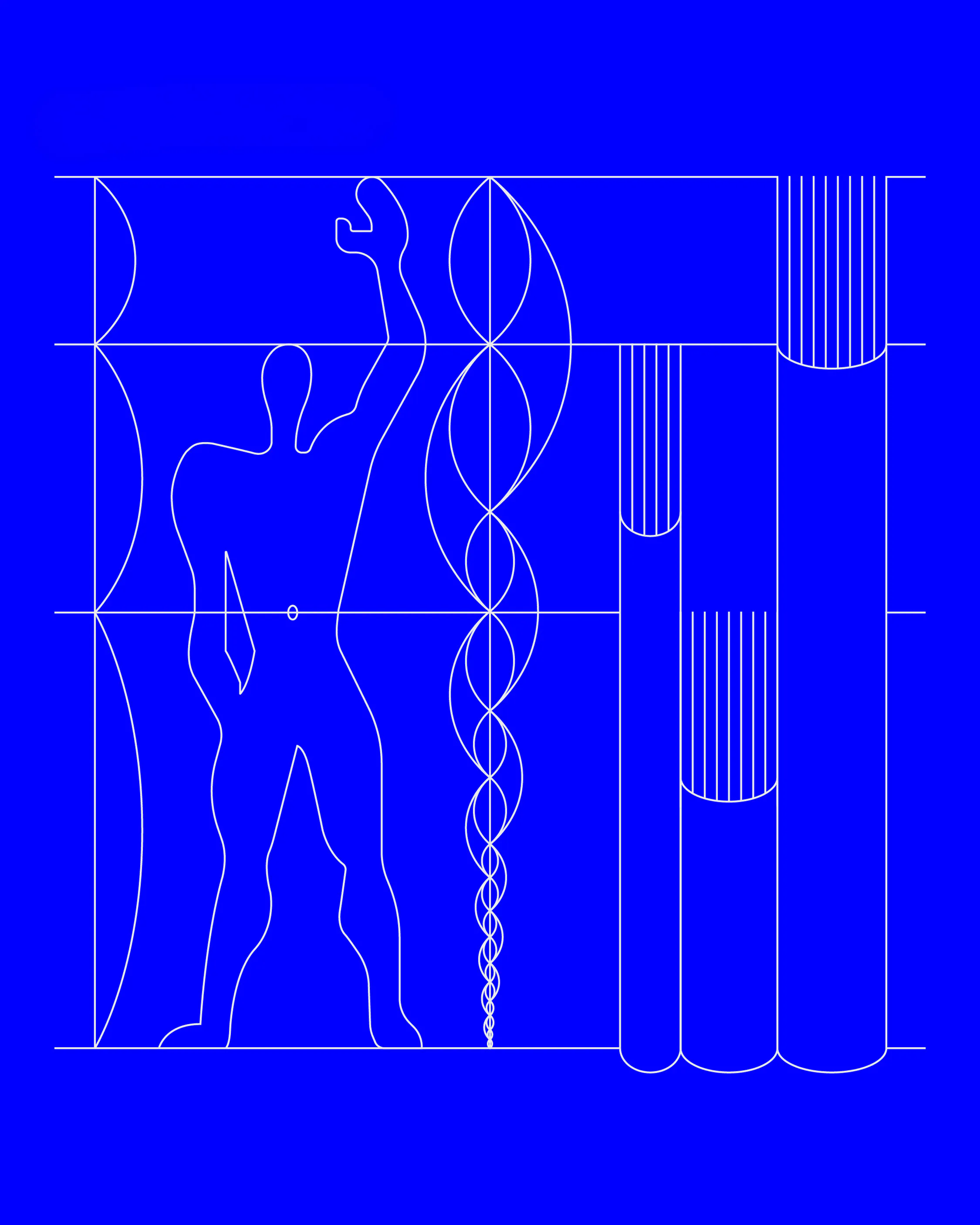
At the opposite end of the spectrum from the Purist, we encounter a very different breed of bookshelf curator — the so-called Independents. These are the eccentric souls who turn their shelves into a playground of personal fascinations, raising the eternal question: is this really a curated selection, or just a chaotic outpouring of impulse? Independents are easy to spot but hard to classify. Their shelves often feature an eclectic mix that seems designed more for emotional resonance than intellectual coherence. Book rows may be interrupted by vinyl records, ceramic vases, or mysterious design ephemera. Sometimes, the books take a backseat entirely — used as pedestals for photographs or limited-edition prints. Is this creativity... or confusion? To the untrained eye, it’s tough to tell. Are we dealing with a true independent—a bibliophile with a vision — or a Wanna-be, someone caught in a creative identity crisis.
Morphology can offer clues. Are those wildly different books all designed by the same design studio? Do the varying sizes and colors, when seen from a distance, form a meta-composition? Is there a hidden logic lurking beneath the apparent disorder? True independents are rarely showy. They don’t need to prove anything. If a single book or niche editorial project gets a spotlight all to itself, it’s not pretentiousness — it’s reverence. Understanding these micro-gestures is an art form in itself, one mastered only by a rare few shelf-sleuths.
Although Wanna-be Independents are diametrically opposed to True Independents from the standpoint of intent and authenticity, they often appear to occupy the same continuum — one that must be interpreted through the subtle signals embedded in their personal libraries. These signals, often hidden behind curated covers and conspicuously obscure titles, speak volumes about their desire to be perceived as unique rather than actually being so.
The Wanna-be Independent is obsessed with signaling difference, yet terrified of being truly different. Their selections are algorithmically edgy — books that everyone in a niche corner of the internet agrees are “underrated.” Their shelves may mimic the randomness of a true independent's, but upon closer inspection, they’re an echo chamber of secondhand rebellion.
Meanwhile, the Average Independent (yes, it’s a paradox) is much easier to identify. Their shelf screams, “Look how quirky I am!” It’s a deliberate display of eccentric taste, often bordering on theatrical. Ironically, this attempt to express independence often reveals a deep reliance on external cues — on trends, aesthetics, and what’s currently “cool.”
True independents, on the other hand, embrace the risk of seeming messy. A Purist’s symmetrical setup would make them claustrophobic. Their shelves may look chaotic but don’t trust your eyes. Beneath the apparent disorder might lie a secret order — a personal logic — waiting to be decoded.
Pro tip: if you’re trying to strike a deal with an Independent, pay close attention to their bookshelf. It might be your only reliable map of who they really are.
The Independent
The Mediator
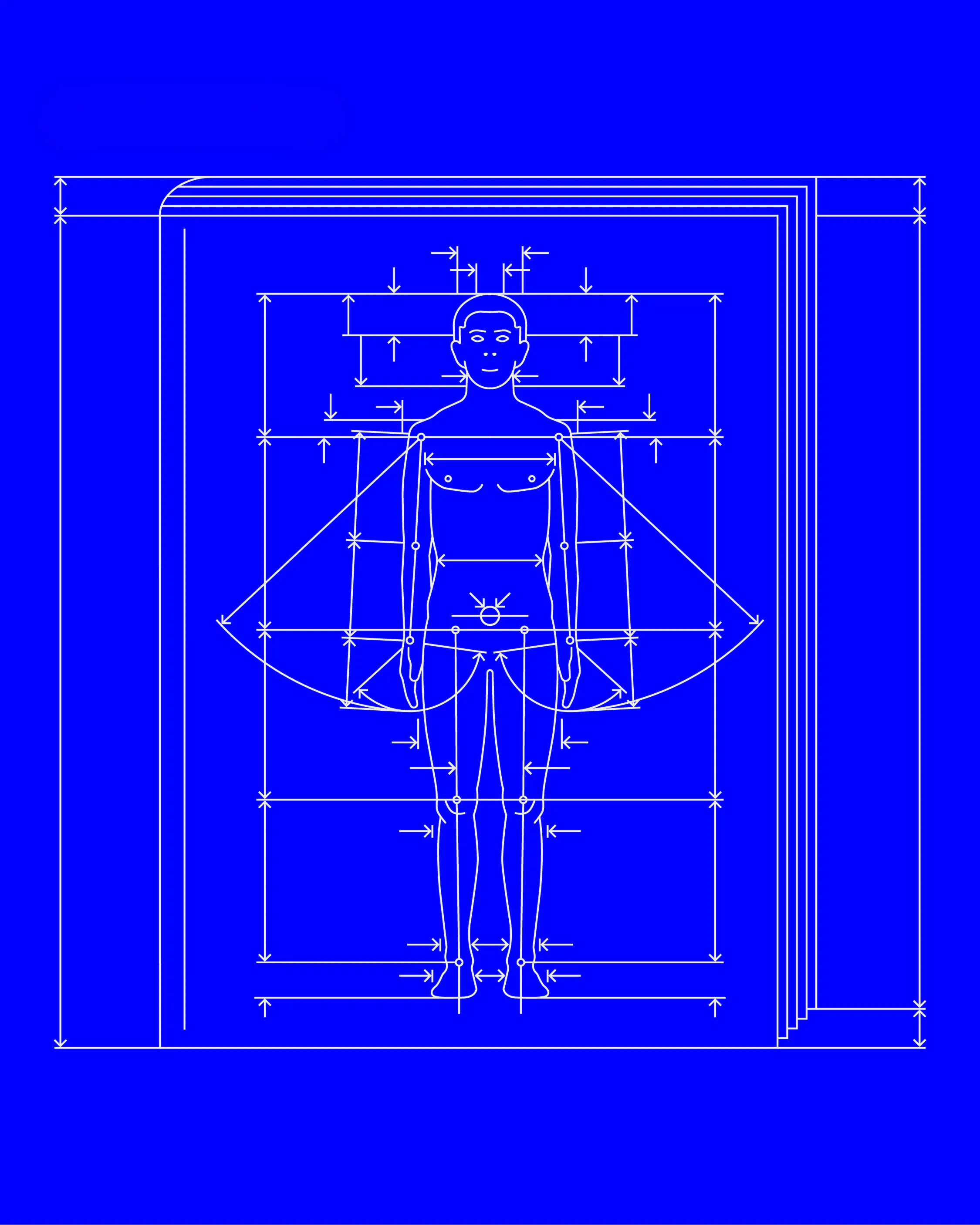
A third type of character we can sketch by observing a reader’s bookshelf — both in terms of the titles they choose and how they choose to arrange them — is the Mediator. Mild-mannered and naturally inclined to keep the peace, the Mediator doesn't use their book collection as a loudspeaker for their tastes. Unlike the Purist, who wears their literary preferences like a badge of honor, with the Mediator we can analyze the three gradients —true, average, and wanna-be — in reverse.
Straddling the line between the uncompromising Purist and the free-spirited Independent, the Mediator lives in the middle ground. If we were to paint a picture of a wanna-be Mediator, we might imagine a centaur of sorts — half Independent, half Purist. Or at least, that’s what their bookshelf seems to display. Sometimes it leans toward a wild, eclectic flair, while at other times, it slides into a more traditional, even borderline compulsive, order.
The wanna-be Mediator might be a Purist learning to embrace their creative side — or an Independent who, after years of experimental chaos, has made peace with the idea of structure.
Then there’s the average Mediator, who remains something of a riddle to the scholars of reader morphology. Behind a bookshelf that seems to tread a middle path between the meticulous and the imaginative might lie an Independent in disguise (or simply someone who hasn't realized it yet), or a Purist slyly concealing their need for obsessive order.
Finally, we have the true Mediator — the one who has come out in the open. Their bookshelf may show slight signs of eclecticism — perhaps a shelf dedicated to flawed first editions or deliberately placed oddities — but it never screams for attention. Instead, it gracefully blends these personal touches with familiar systems of classification. These quiet islands of creativity nestled among orderly rows serve as a calling card: with the true Mediator, you’ll always find common ground. Harmony, after all, is their guiding principle — a soft but steady effort to accommodate all temperaments.
The Mediator
It's a long way decoding (if you wanna be a Morphologist)
With these examples of applied reader morphology, we’ve outlined a few of the traits that can be inferred from the curated selection of books — or objects — people choose to display during a call. Of course, the Purist, the Mediator, and the Independent are merely broad archetypes. Their subtle variations suggest that many more profiles remain to be explored and named.
Reader morphology is still an experimental and emerging science. But as individuals pay increasing attention to the curation of their bookshelves, its methods may become more refined. After all, as Bookcase Credibility has shown, it’s no longer uncommon to find oneself sketching out the personality of someone based solely on what’s visible behind them in a Zoom frame.
If the Ethology of Bookshelves offers guidelines for selecting the right kind of shelving, and Book Taxonomy can serve as a map for navigating one’s collection strategies, then Reader Morphology might be a tool for self-reflection. It’s not just about what you want others to see — it’s about how you see yourself, translated spine by spine.
bruno. is the pseudonym of Andrea Codolo and Giacomo Covacich since 2013. The project, which is based in Venice, combines a graphic design studio, an exhibition space and a specialist bookstore focussing on visual communication and international independent publishers. As for communication design, the studio deals in particular with visual identities, setting up exhibitions, publishing projects, information design and data visualisation in collaboration with institutions, cultural foundations and private clients. Since 2014 bruno has also become a publishing brand.
bruno. is the pseudonym of Andrea Codolo and Giacomo Covacich since 2013. The project, which is based in Venice, combines a graphic design studio, an exhibition space and a specialist bookstore focussing on visual communication and international independent publishers. As for communication design, the studio deals in particular with visual identities, setting up exhibitions, publishing projects, information design and data visualisation in collaboration with institutions, cultural foundations and private clients. Since 2014 bruno has also become a publishing brand.